
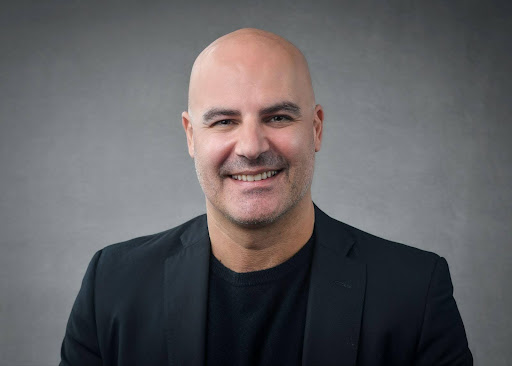
Starting over is something most people experience at least once in their lives. It may come from a major move, a career shift, or a personal change that forces a new beginning. These moments can be uncomfortable, but they often reveal strengths that would never have surfaced otherwise. For professionals like Youssef Zohny, moving a successful practice from Canada to the United States meant stepping into a new market, facing uncertainty, and proving himself all over again.
Rebuilding is not easy. It demands courage, discipline, and a willingness to learn. Yet it is often in these challenging transitions that people discover what they are truly capable of. Starting over can sharpen focus, strengthen character, and redefine what success really means.
Leaving Comfort Behind
It takes confidence to walk away from something established. When someone has already built a reputation, earned trust, and created a stable client base, the idea of beginning again can feel overwhelming. There is comfort in the familiar. There is pride in what has already been accomplished.
Leaving that behind requires a belief that something bigger is possible. It requires a willingness to let go of what is known in order to grow into something greater. People who make this leap understand that progress sometimes means accepting short-term discomfort for long-term opportunity.
This mindset is at the heart of rebuilding. It is the moment where ambition meets risk and where potential meets action.
Learning in a New Environment
Starting over in a new country or new market forces a person to observe, adapt, and learn quickly. Everything changes at once. The rules, the culture, the expectations, and the way business is done may all be different. This creates a steep learning curve, but it also opens the door to significant personal and professional growth.
People who embrace learning become stronger leaders. They listen more closely. They ask better questions. They build new systems and strategies that are informed by both past experience and new insights.
This kind of learning is not theoretical. It is practical and real. It happens through daily interactions, new challenges, and the need to keep improving. It turns uncertainty into a catalyst for development.
The Discipline of Starting Small Again
Rebuilding often means starting from scratch. There may be no ready-made relationships, no proven local reputation, and no automatic trust from new clients. Progress must be earned step by step.
This requires discipline. It requires consistent effort, day after day, even when results are not immediate. It means showing up fully, communicating clearly, and delivering high-quality work every time. Over time, the small wins add up. The momentum grows, and a new foundation begins to take shape.
This process builds resilience. It reminds a person of the value of hard work and the importance of staying focused. It also deepens appreciation for the successes that follow, because they were earned through persistence and commitment.
Reintroducing Yourself to the World
When someone rebuilds a career in a new environment, they have a chance to redefine how they present themselves. They choose which strengths to highlight, which habits to improve, and which lessons to apply from their previous experiences.
This is a rare opportunity. It allows a person to let go of old limitations and step into a stronger version of themselves. It becomes a moment of reinvention, both professionally and personally.
For individuals like Youssef Zohny, rebuilding a practice was not just about transferring skills from one country to another. It was about demonstrating adaptability, credibility, and long-term vision in a new setting. That type of reinvention requires confidence and humility working together.
Trust as the Cornerstone
In any advisory profession, trust is everything. When entering a new market, trust cannot be inherited or transferred. It must be built patiently. It is earned through consistent communication, honest guidance, and steady performance.
Clients want to know that their advisor truly understands them. They want to feel that their goals matter. They want clarity, reliability, and partnership. Establishing these relationships takes time, especially when starting from the ground up.
But once trust is earned, it becomes the strongest foundation of all. It supports long-term relationships and creates opportunities for continued growth.
Strength Through Reinvention
People who rebuild successfully often develop a level of strength that carries them throughout their careers. They know how to push forward even when the path is unclear. They know how to create stability during uncertainty. They know how to lead with confidence because they have experienced what it takes to rise again.
This internal strength becomes visible to clients, colleagues, and teams. It shows up in steady decision making, thoughtful communication, and a calm response to challenges. It also inspires others who may be facing their own transitions.
Rebuilding may begin with uncertainty, but it ends with clarity. It reminds a person that success is not defined by where they start but by how they grow.
Why Rebuilding Matters Today
In a world where change is constant, the ability to rebuild has become one of the most important professional skills. Markets shift, opportunities move, and industries evolve. People who can adapt and thrive during transitions have a clear advantage.
Rebuilding teaches patience, resilience, and focus. It strengthens leadership. It sharpens judgment. Most importantly, it builds a deep sense of confidence that comes from knowing you have already overcome something difficult.
Professionals like Youssef Zohny have shown that rebuilding is not a setback. It is a turning point. It is the moment where determination, experience, and vision come together to create something stronger than before.
When people embrace the challenge of starting over, they often discover new opportunities, new strengths, and a new understanding of what they can achieve. Rebuilding does not erase the past. It elevates it. And it becomes one of the most powerful chapters in a person’s story.